
How to Prevent and Treat “Runner’s Knee”
Since the pandemic, adults across the country have embraced regular exercise at record levels. Running, in particular, has surged in popularity as an accessible way to stay active and improve overall health. But with increased mileage often comes increased risk of injury. As sports medicine physicians, our goal is to help runners stay healthy, informed, and moving — ideally preventing injuries before they start.
One of the most common issues we see in active patients is patellofemoral pain syndrome, better known as Runner’s Knee. Many runners describe discomfort in the front of the knee, just beneath the kneecap. This pain often develops gradually and can worsen with running, squatting, or climbing stairs.
Runner’s Knee typically occurs when the patella no longer glides smoothly along the femur. Increased friction leads to irritation and pain. Several factors contribute to this misalignment: suddenly increasing training volume, muscle weakness or imbalance, improper footwear, or structural alignment issues. The encouraging news is that most of these causes are preventable with proper guidance, training progression, and attention to biomechanics.
If pain has already developed, conservative treatment options can be highly effective. One of the simplest first steps is ensuring you’re wearing the right running shoes. Not all feet move the same way — and not all shoes are built the same. A professional fitting at a reputable running store can help match your foot mechanics with the appropriate shoe type.
Physical therapy is another cornerstone of treatment. A sports-focused therapist can evaluate muscle strength, flexibility, and gait mechanics to identify the root cause of your pain. Targeted exercises often correct imbalances, improve patellar tracking, and reduce strain. Some runners benefit from bracing or taping techniques, and many clinics offer gait analysis to refine running form.
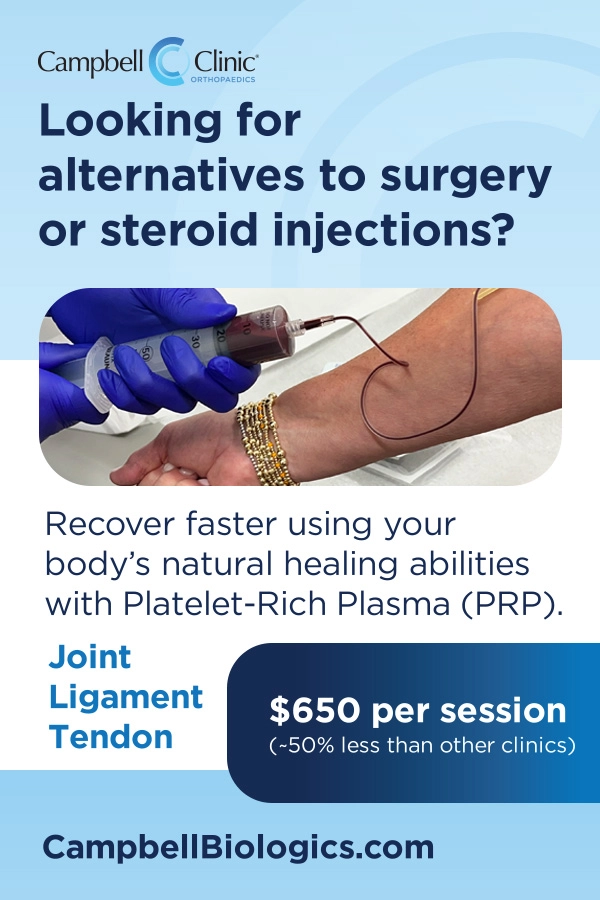
Medications such as anti-inflammatories may help manage symptoms, and several injection options exist for more persistent cases. Corticosteroid injections can reduce inflammation, while hyaluronic acid injections add lubrication to the joint. Orthobiologic treatments — including platelet-rich plasma and stem cell therapies — are emerging options that may support tissue healing.
Most runners can return to activity with these conservative measures. However, if pain persists and function remains limited, a surgical consultation may be appropriate. Imaging and a thorough evaluation help determine whether surgery is the appropriate next step.
With thoughtful preparation, proper footwear, and early attention to symptoms, runners and active individuals can stay healthy and enjoy their activities for years to come. Listening to your body — and seeking guidance when pain arises — is key to keeping you moving.
Dr. Joshua Brandon is a board-certified, fellowship-trained primary care sports medicine physician specializing in the evaluation and management of non-surgical musculoskeletal issues and sports medicine. His focus areas include: sports medicine injury management and prevention, sports concussions, ultrasound-guided procedures, and orthobiologics treatment. For more information on Dr. Brandon, visit CampbellClinic.com or call us at 901.759.3111.
By Joshua Brandon, MD