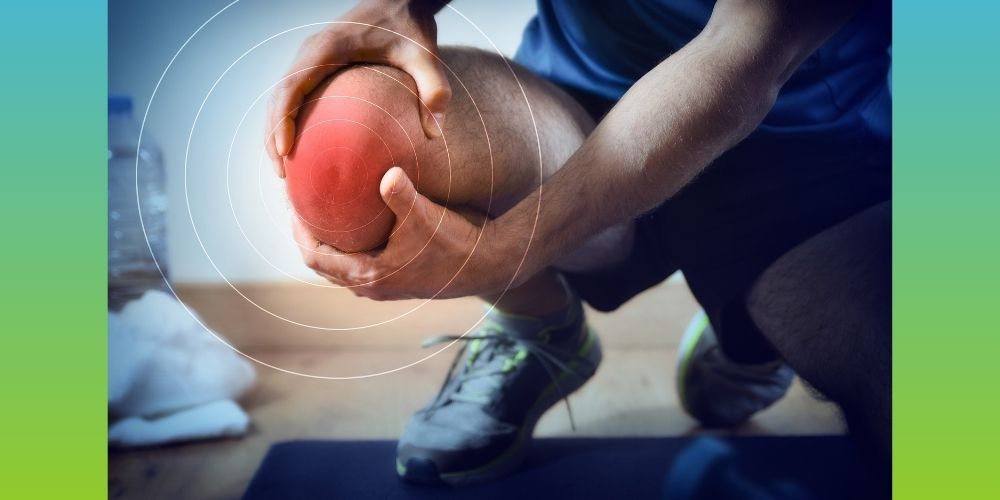
Our knees are essential joints that most of us rely on every single day —often without giving them much thought. Walking up and down stairs, rising from a chair, squatting, or exercising all place significant stress on the knees. When knee pain develops, it can be frustrating, limiting, and even debilitating. As a sports medicine physician, knee pain is one of the most common complaints I see, but with the right approach to prevention and treatment, it doesn’t have to keep you from doing the activities you love.
Common Causes of Knee Pain
Most knee pain falls into one of four categories: acute injury, overuse, biomechanics, or arthritis (often referred to as “wear and tear”).
Acute injuries usually result from trauma, such as a fall or sports-related injury, and may involve ligaments, tendons, cartilage, or bone. Sprains, strains, and fractures can occur depending on the force and direction of injury.
Overuse injuries, biomechanical issues, and arthritis generally develop more gradually. Pain may increase over time or linger longer than expected. These conditions can still affect the same structures — tendons, ligaments, bone, and cartilage — but are often influenced by muscle imbalances, flexibility deficits, or repetitive stress. While acute injuries aren’t always preventable, strengthening, proper movement patterns, flexibility, and adequate rest can significantly reduce the risk of many knee problems.
When Should You Be Concerned?
While many cases of knee pain can be managed conservatively, certain symptoms warrant further evaluation by a sports medicine physician or orthopedist. These include:
- Persistent or worsening swelling
- Catching, locking, or a feeling that the knee is giving way
- Inability to bear weight or walk normally
- Pain following a high‑energy injury
- Night pain or pain that wakes you from sleep
Preventing and Treating Knee Pain
Maintaining a healthy body weight is one of the most effective ways to protect your knees, as excess weight places increased stress on the joints and can accelerate arthritis and overuse injuries.
Muscle strength is also critical. Strengthening not only the muscles around the knee, but also the hips and ankles, helps distribute forces more evenly and improves movement efficiency. Weakness above or below the knee can increase strain and lead to pain.
Flexibility and balance help reduce stress on the joints and can lower the risk of acute injuries. Wearing proper footwear — and using braces when appropriate — can also improve stability and decrease joint load.
If cleared by your primary care physician, over‑the‑counter medications such as acetaminophen or non‑steroidal anti‑inflammatories may help manage pain. Some patients also find relief with supplements like turmeric or joint-support products.
Knee pain doesn’t have to sideline you. Early evaluation and treatment often lead to better outcomes, so if your symptoms aren’t improving or you notice any red flags, seek care from a sports medicine physician. Our goal is simple: to get you moving comfortably and confidently again.
For more information, visit Campbellclinic.com or call 901.751.3111.
Dr. Joshua Brandon is a board-certified, fellowship-trained primary care sports medicine physician specializing in the evaluation and management of non-surgical musculoskeletal issues and sports medicine.
By Joshua Brandon, MD, CAQSM