Can you tell us a little about yourself and what led you to specialize in spine neurosurgery?
My father and grandfather were both neurosurgeons, and after my residency training at LSU, I wanted to focus on spine surgery. I have been in practice for the past 15 years. Here at OrthoSouth, we are trying to achieve the best patient experience possible, and consider ourselves caretakers of the community, as the lifetime incidence of a back problem is 95%. At some point in life, most people will see a spine doctor.
What is lumbar spinal stenosis and what are the symptoms?
Lumbar spinal stenosis is a condition that happens through a degenerative process. Arthritis and joint degeneration eventually close off a little bit of the canal where the nerves are coming through. People may experience numbness in their legs after walking, pain that shoots down their legs, or a postural change where they lean forward. One classic sign is the “shopping cart sign,” where patients may notice they can walk longer at the supermarket while holding onto a cart because leaning forward relieves their symptoms.
Spinal fusion has been a standard treatment for certain patients with spinal stenosis. What is a fusion, and why might surgeons and patients want to move away from it?
With a spinal fusion, we resect the bone and joints, put screws into the spine along with rods that don’t move to immobilize a segment of the spine. Usually, this adds stress to the level of the spine above and below the surgically treated area and may eventually lead to an adjacent-level operation. There is also a propensity for the disease to progress more rapidly if patients have degenerative disc disease above or below the infusion.
You recently performed the first TOPS procedure in the Mid-South. What is TOPS, and how does it compare with a spinal fusion?
TOPS stands for Total Posterior Spine System. The brilliant idea of this procedure is that, instead of putting in rods, we insert a posterior joint replacement made of titanium to preserve motion. With TOPS, you can resect the joints to appropriately decompress the neural elements without immobilizing the spine. It allows you to keep the mobility that the segment had to begin with. Additionally, the recovery time is much quicker. With a spinal fusion, patients cannot bend or twist for three to six months while the fusion progresses. Meanwhile, TOPS patients can be looking at just a few weeks for the wound to heal.
Who is a good candidate for TOPS and are there other options?
A good candidate has a stable spine and good bone health to sustain the pedicle screws, which we measure using a DEXA scan. There are also limits regarding spinal slippage, disc height, and patient weight. We try to tailor our treatments specifically to the patient and operate conservatively. If surgery is not recommended, our physicians at the Spine Institute at OrthoSouth offer many advanced pain management options and minimally invasive technologies for patients.
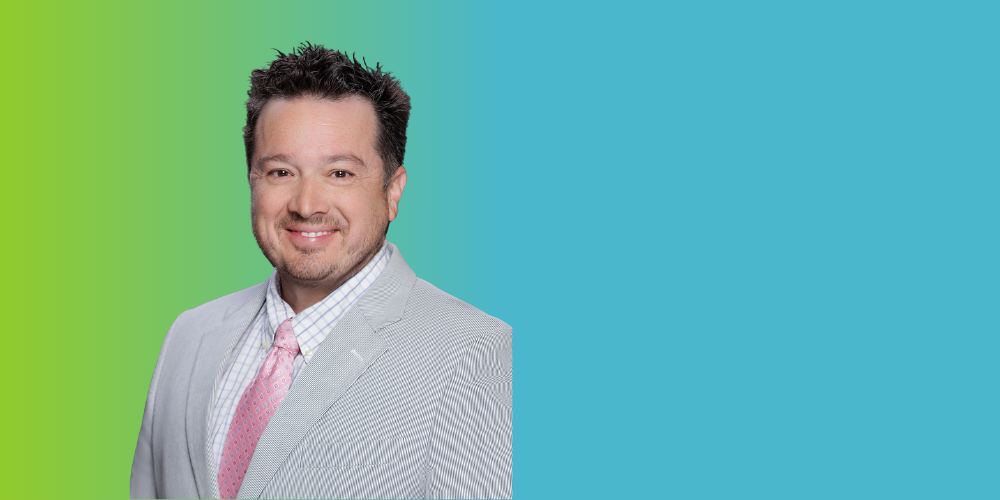
Dr. Raul J. Cardenas is an accomplished third generation fellowship trained neurosurgical spine surgeon at OrthoSouth who treats low back pain, neck pain, sciatica, herniated discs, spinal stenosis, and other complex spine conditions. He specializes in minimally-invasive spine surgery, motion preservation techniques, and advanced surgical care for patients who need more than conservative treatment. He sees patients at OrthoSouth in Memphis-Briarcrest, Germantown, Southaven, and Arlington. Self-scheduling is available, and patients without a referral are welcome. Visit Orthosouth.org for more information.
By Shlomit Cohen