
At Pathways to Wellness, mental health isn’t treated as an isolated condition, but is viewed as a reflection of the entire body and mind working together. For Heather Fesperman, MSN, NP, the whole-person approach is her professional philosophy and the foundation of her own personal health consciousness.
As the clinic’s Executive Director of Clinical Services, Heather supervises a team of mental health nurse practitioners and helps guide their mission to treat patients with compassionate, comprehensive care. Her passion for mental health was shaped long before she entered the field. “If you’ve ever felt low or stressed and found a way through any sort of darkness, it makes you more compassionate,” she says. Her years as an RN in palliative care, hematology, oncology, and intensive care showed her just how deeply the body and mind are connected. “You see firsthand how deficits in the body affect the mind,” Heather says.
That belief is why she gravitated toward Pathways to Wellness, a clinic known for blending traditional psychiatric care with interventional and holistic therapies. Instead of relying solely on medication, Pathways to Wellness offers alternative treatment options for patients who haven’t found relief elsewhere.
One of these is Transcranial Magnetic Stimulation (TMS), an FDA-approved, non-medication therapy that uses magnetic pulses to stimulate areas of the brain involved in mood regulation. Heather calls it “encouraging and empowering,” especially for young patients or those hesitant about medication. With a 60-80% effectiveness rate, it offers a new path forward for those facing treatment-resistant depression. Another option is Spravato (esketamine), a nasal-spray form of ketamine used for patients whose depression hasn’t responded to standard medications. “Some people just need that extra push to reawaken motivation and reward pathways,” she explains. Pathways to Wellness also provides intensive outpatient therapy, giving patients more structured support than standard counseling while using therapeutic techniques that address past, present, and future challenges.
But no matter the treatment plan, every patient encounter at Pathways to Wellness starts with being seen, heard, and understood. Intake evaluations are thorough, covering psychiatric history, family dynamics, physical health, and lifestyle. “We try to help our patients learn that what you do can shape how you feel,” Heather explains. From making a daily to-do list to incorporating exercise and a healthy diet, she encourages small, consistent habits that reconnect the body and mind.
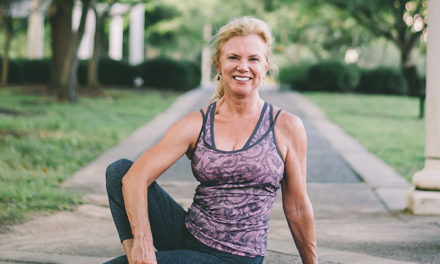
Heather makes sure to prioritize her own wellness and to practice the lifestyle advice that she shares with patients. As a 36-year-old perimenopausal woman who has navigated her own battles with mood, hormonal changes, and health struggles, Heather knows the importance of maintaining physical fitness to help with internal challenges. She found CrossFit workouts to be most effective at making her feel her best, preferring weightlifting and full-body movements to strict cardio she once enjoyed.
For Heather and her team at Pathways to Wellness, mental health treatment is not strictly about labels or diagnoses. “It’s about recognizing a problem and finding a solution,” she says. “I work with patients to help them decide what the best versions of themselves look like, and then we tailor their path forward to reach that goal.”
To learn more about Pathways to Wellness, visit their website Pathwaystoday.com.
By Zoe Harrison
Photo by Tindall Stephens