
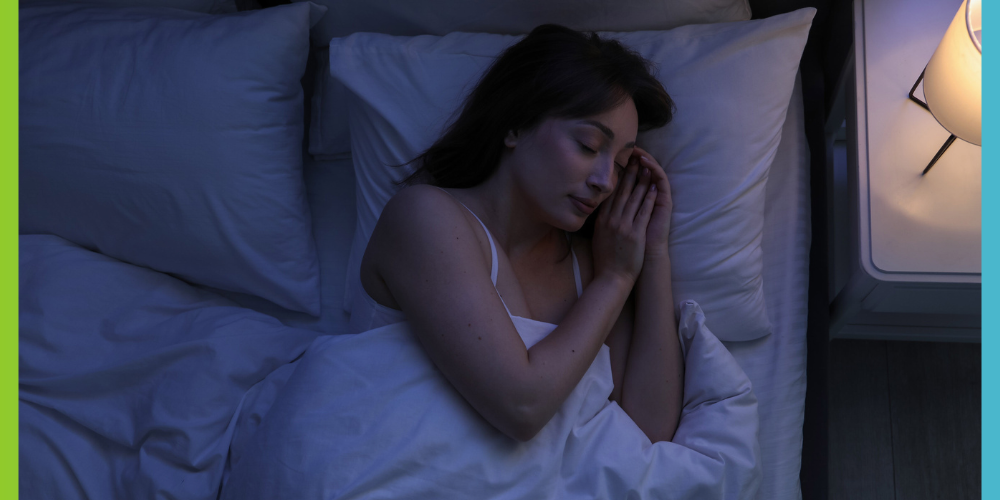
Your head hits the pillow, but your mind starts running through tomorrow’s deadlines. After a restless night, you feel tense, impatient, and less able to handle those demands. It is a loop: stress steals sleep, and poor sleep makes stress feel bigger. So which comes first, the sleep problem or the mental health struggle?
The honest answer is that either can come first. Sleep and mental health are closely connected, with each influencing the other. There is no single sequence that applies to everyone. Sometimes, anxiety or depression disrupts healthy sleep. For others, sleep difficulties develop before mood changes. Sometimes, a stressful event or a health condition affects both at once.
Think of sleep as part of your brain’s emotional maintenance. While you sleep, your brain processes experiences and supports the systems involved in attention, memory, and emotional control. Without enough restorative sleep, you may have less patience, more trouble concentrating, and stronger reactions to everyday frustrations. A minor setback can feel overwhelming, and a manageable worry can seem impossible to shake.
When sleep problems come first, their effects can reach beyond feeling tired. Research following people over time has found that persistent insomnia is associated with a higher risk of developing depression later. That does not mean every poor sleeper will become depressed, or that insomnia alone causes depression. It does mean that sleep trouble deserves attention as a possible early warning sign, rather than something to endure indefinitely.
Mental health concerns can also lead the way. Anxiety may keep the mind alert when the body needs rest, filling bedtime with worries and repeated checking of the clock. Depression may cause difficulty falling asleep, waking too early, or sleeping much more than usual. Once sleep becomes disrupted, exhaustion and emotional strain can reinforce each other, making the problem harder to manage.
Daily habits can add another layer. When you feel drained, you may skip exercise, drink more caffeine, or spend less time outdoors. Those changes can make sleep harder and reduce opportunities to support your mood. Meanwhile, an untreated condition such as sleep apnea may interrupt sleep even when you allow enough time in bed. The number of hours you sleep does not tell the whole story.
Breaking the cycle starts with looking at both sleep and mental health together. Tell your healthcare provider about worry, low mood, daytime sleepiness, snoring, or changes in your sleep pattern. Treatment should fit the cause. Chronic insomnia often responds to cognitive behavioral therapy for insomnia, which teaches practical ways to change sleep habits and bedtime thinking. Anxiety or depression may need their own treatment alongside sleep care.
You do not have to determine which problem started first before getting help. A consistent sleep schedule, regular activity, and appropriate professional care can support recovery, but healthy habits alone may not resolve a sleep disorder or mental health condition. Protecting your sleep and caring for your emotional health belong in the same wellness plan. Each gives the other a better chance to improve.
For more information, visit Wellrestedsleep.org or call 901.881.2260.
Kelly is a nurse practitioner, co-owner, and managing partner of Well Rested Sleep Specialists in Cordova, Tennessee. With more than 20 years of healthcare experience and nearly seven years in sleep medicine, she helps adults and children address sleep apnea, insomnia, daytime sleepiness, and other sleep concerns. Her philosophy is simple: “Change your sleep, change your life.”
By Kelly Vrettos, NP-C