As a psychiatric mental health nurse practitioner and someone who remains active in the Army Reserve, I understand how demanding military life can be on the mind and body. My experiences have shaped the way I take care of myself and the way I approach mental health with my patients.
Trauma, chronic stress, and major life transitions don’t disappear when the experience ends. They can affect sleep, relationships, concentration, mood, and the way the body responds to everyday situations. For veterans in particular, transitioning from a highly structured military environment to civilian life can bring challenges that aren’t always visible to those around them.
For me, fitness has become one of the tools I use to maintain balance.
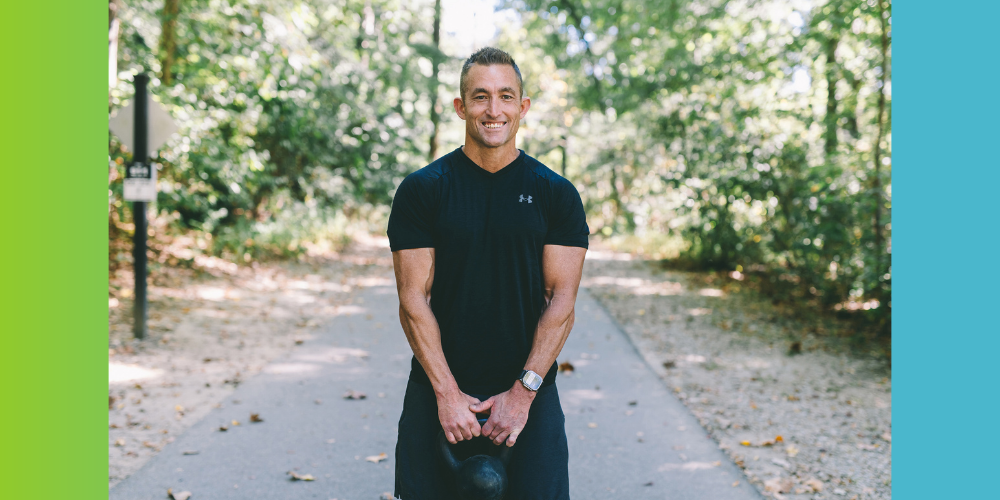
I work out every day. It’s not about achieving a certain physique or pushing myself to an extreme. Exercise gives me structure, provides an outlet for stress, and creates time to reset mentally. It’s one piece of a larger commitment to staying healthy enough — physically and emotionally — to be present for my patients, my fellow service members, and my family.
Finding What Works for You
There is no single formula for emotional wellness. What helps one person manage stress may not work for someone else.
Physical activity can be one valuable tool, but it isn’t a cure for trauma, depression, or anxiety, nor should it replace appropriate psychiatric or psychological treatment. Instead, I encourage patients to think about wellness more broadly.
What helps you feel grounded? Where do you find purpose? Who can you talk to when you’re struggling? What healthy habits help you feel more like yourself?
The answers might include exercise, therapy, time outdoors, faith, family, friendships, better sleep, or simply creating more structure in your day. Often, recovery comes from putting several of those pieces together.
Strength Beyond the Gym
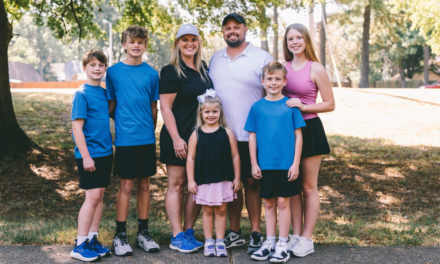
My wife and three children are a major part of what motivates me to take care of myself. I want my children to understand that being healthy isn’t about looking a certain way or reaching a number on a scale. It’s about building the physical and emotional resilience to participate in the life you want to live.
That is something I try to model rather than simply talk about.
Taking care of ourselves also allows us to be more present for the people who depend on us. For me, that connection between personal health, family, and purpose is powerful.
From One Veteran to Another
For veterans who have experienced trauma or are struggling with the transition after service, asking for help can sometimes be the hardest step.
You don’t have to navigate it alone.
Connect with people you trust. Spend time with family. Find a community that gives you a sense of belonging. Take care of your body. And when you need additional support, reach out to a mental health professional.
Recovery doesn’t always happen quickly or in a straight line. There will be good days and difficult ones. What matters is continuing to invest in your health and finding the tools that help you move forward.
For me, fitness is one of those tools. For someone else, it may look completely different.
The goal is to build a life that supports not just physical health, but resilience, connection, purpose, and emotional well-being.
Cary Carver, PMHNP-BC, is a Psychiatric Mental Health Nurse Practitioner at Engage Psychiatry & Wellness, PC.
By Cary Carver, PMHNP-BC
Photo by Tindall Stephens