
As we age, our bodies undergo various physiological changes that significantly impact our nutritional needs throughout our lifespan. Among these, protein emerges as a crucial macronutrient that plays a vital role in maintaining muscle, regulating metabolism, and supporting the immune system. Understanding the importance of protein for older adults can help guide your dietary choices and promote overall health.
Muscle Maintenance
One of the most significant impacts of aging is the gradual loss of muscle mass, a condition known as sarcopenia. Research indicates that individuals can lose approximately three to eight percent of muscle mass per decade after the age of 30, with accelerated loss occurring after age 60. As we age, this decline not only affects physical strength but also increases the risk of falls and fractures, which can lead to serious health complications.
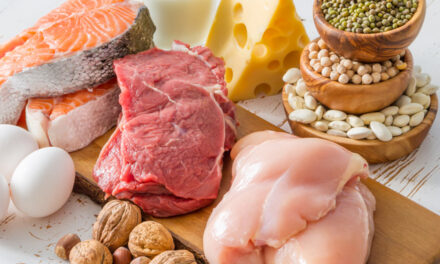
Protein is essential for muscle protein synthesis, the process by which the body repairs and builds muscle tissue. Registered Dietitians recommend that older adults require approximately 1.0 to 1.2 grams of protein per kilogram of body weight per day to maintain muscle mass. This is higher than the general recommendation for younger adults, highlighting the need for increased protein intake in older populations. To meet our protein needs, sources include lean meats, dairy, legumes, and plant-based proteins.
Metabolism
As we age, our metabolism tends to slow down, which can contribute to weight gain and increased body fat percentage. Protein plays a critical role in maintaining a healthy metabolism, as it has a higher thermic effect compared to fats and carbohydrates. This means that the body burns more calories digesting protein than it does with other macronutrients.
Protein also helps preserve lean body mass, which is vital for maintaining metabolic rate. A study published in “The American Journal of Clinical Nutrition” concluded that higher protein intake is associated with better body composition and metabolic health in older adults (Bauer et al., 2013). For those over 65, including protein-rich foods in every meal can effectively promote a healthier body composition and support metabolism.
Immune Support
The immune system also faces challenges as we age, making older adults more susceptible to infections and chronic diseases. Protein plays a key role in the production of antibodies and immune cells that help defend against pathogens. Registered Dietitians recommend that, as we age, adequate protein intake is vital for optimal immune function, especially in older adults who may already have compromised systems.
A balanced intake of protein sources, including lean meats, fish, eggs, and plant-based options like beans and nuts, can provide the necessary amino acids needed for immune system support. Additionally, certain amino acids, such as arginine and glutamine, are particularly important for immune function and recovery.
As the body ages, the importance of protein cannot be overstated. From maintaining muscle mass and supporting metabolism to bolstering the immune system, adequate protein intake is essential for promoting health and well-being as we age in both men and women. Health professionals, including registered dietitians, recommend that older individuals prioritize protein-rich foods in their diets to meet their increased needs. By doing so, we can enhance the quality of life, maintain independence, and reduce the risk of age-related health issues.
If you have any questions about the proper protein intake for you or whether you need supplementation of your diet, please consult with your physician and your Registered Dietitian.
Lisa Abbay, MBA, RDN, LDN, FAND, is a Registered Dietitian based in Memphis. She is the Past President of the TN Academy of Nutrition & Dietetics and a current Board Member for the Academy of Nutrition and Dietetics as Director of House of Delegates.
By Lisa Abbay, R.D.