
Triathletes have a reputation for being disciplined, structured, and impressively good at squeezing multiple workouts into a single day. But the real secret is that the triathlon training model offers a lot for overall health and wellness, whether you race or not. Its blend of swimming, cycling, running, and strength training forms one of the most complete and sustainable approaches to fitness you’ll find. Even if you have no intention of racing, you can borrow this beginner structure and reap the benefits without feeling the need for a $10k bike and carbon-plated running shoes.
Swimming is the quiet hero here. It builds upper-body strength, sharpens breath control, and spares your joints from the pounding they get everywhere else. It is a total body low-impact workout. As a side benefit, you will never be leaner than you are while swimming consistently, I promise. It’s also the one place you can’t bring your phone, which some might call a health benefit in its own right.
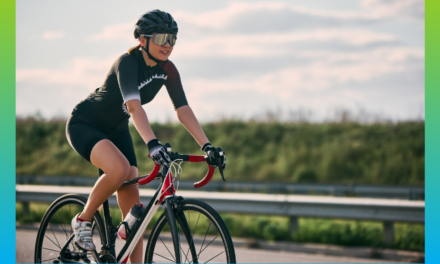
Cycling adds controlled resistance and gives the option of short, high-intensity intervals or long-duration aerobic work without your hips and knees going on strike. It develops the quads, glutes, and hips in a way running alone never will, and because it’s low-impact, you can do multiple short hard sessions each week to save time, and at a lower risk than running.
Running is the simplest piece of the puzzle. Just lace up and go. Ultimately, the best bang for your time buck if weight control is on your radar. It delivers massive cardiovascular return, and can be done pretty much anywhere.
Strength training is what keeps the whole operation from falling apart. Triathletes may love endurance, but without strength work, their form and durability fall apart faster than a budget pair of bib shorts. Lifting supports metabolic health, improves lean mass, improves bone density, and keeps you structurally sound, so all that endurance training can keep you moving long into your golden years.
One thing worth noting: Most triathletes train twice a day on most days, but that’s not required unless you have big goals in the sport. But splitting training into shorter sessions can actually make the whole routine more sustainable. You recover better, you break the training into smaller chunks, you get in more quality training, and you avoid the soul-crushing 90+ minute single-session weekday grind that scares people away from triathlon and structured fitness in general.
With that, here’s a realistic, beginner-friendly weekly layout that mirrors triathlete structure without overwhelming your life. And yes, it includes some two-a-days. Consider it your initiation. We’ve coupled lifting and swimming since they are generally done at the same facility. From here, you can easily build on more frequent sessions and work to get to an average of three of each sport and two strength sessions per week if you happen to magically become one of us.
BEGINNER TRIATHLON TRAINING STRUCTURE
|
DAY |
TRAINING FOCUS |
DESCRIPTION |
|
MON |
Rest |
Full day off, or optional mobility strength if you prefer to do something each day. |
|
TUES |
Strength + Swim |
Functional strength first; then swim technique and steady aerobic intervals. |
|
WED |
Run |
Easy to moderate aerobic run for base building. Or high intensity intervals for more experienced runners. |
|
THURS |
Bike |
Cadence drills, aerobic intervals, or controlled tempo work. Advanced cyclists will get in a V02max day. |
|
FRI |
Strength + Swim |
Heavier strength session. Then short, faster swim intervals to build power and efficiency. |
|
SAT |
Bike (Long) |
Longer endurance ride to boost aerobic capacity and fat utilization. Steady pressure on the pedals. Most call this a Zone 2 ride. |
|
SUN |
Run or Brick |
Longer easy run or short bike-to-run combo for variety |
If you’re looking for a new routine, give this a tri. See what I did there? The last thing I will add is that the triathlon community is one of the most welcoming and supportive groups there is. Hands down. If you find yourself getting into the three sports, you absolutely can do a triathlon. If you do a triathlon, you might just find yourself a great community in the process. And community is one of the keys to sustaining a healthy lifestyle long term. So I’ll just go ahead and speak for all triathletes and say, we’d love to see you out there!
Dale Sanford is the co-founder of BPC Performance, Inc. and has been coaching individuals and athletes all over the world since 2009. You can catch up with Dale @bpcperformance on IG, or listen to the Coaches on Couches Podcast. If you’d like to start your health or sports performance journey with BPC, visit Buildpeakcompete.com
By Dale Sanford, Performance Coach